

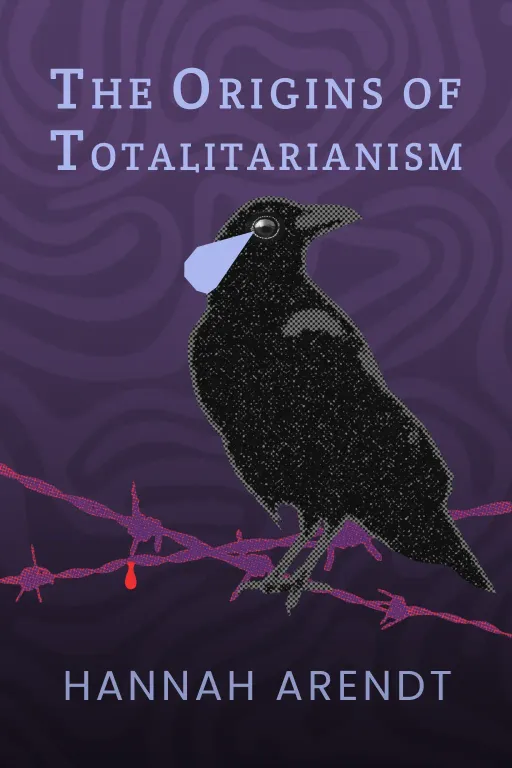
The Origins of Totalitarianism
Hannah Arendt
A seminal work that analyzes the historical and political elements that crystallized into totalitarianism in the 20th century. Arendt explores antisemitism, imperialism, and the breakdown of the nation-state, offering profound insights into the nature of power, ideology, and the human condition.
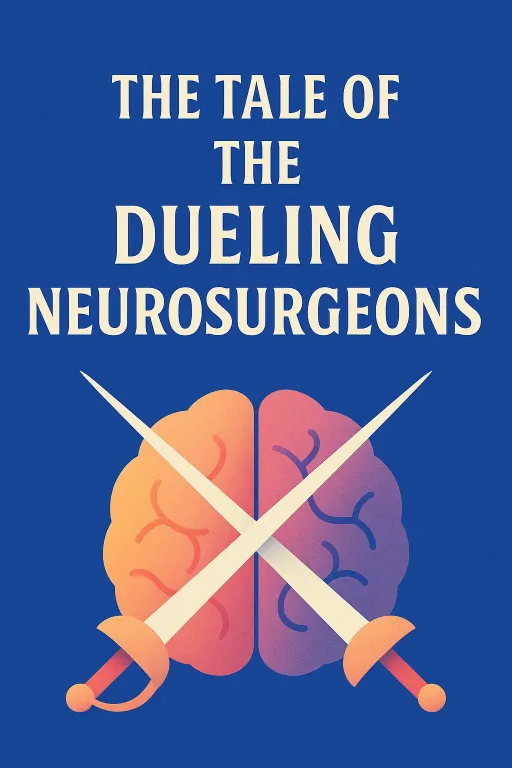
The Tale of the Dueling Neurosurgeons
Sam Kean
Delve into the fascinating and often bizarre history of neuroscience through the lens of real-life brain injuries and medical anomalies. From King Henri II's fatal jousting accident to the peculiar cases that shaped our understanding of the mind, this book explores how the brain's 'flaws' have provided invaluable insights into its intricate workings, revealing the resilience and mysteries of the human mind.
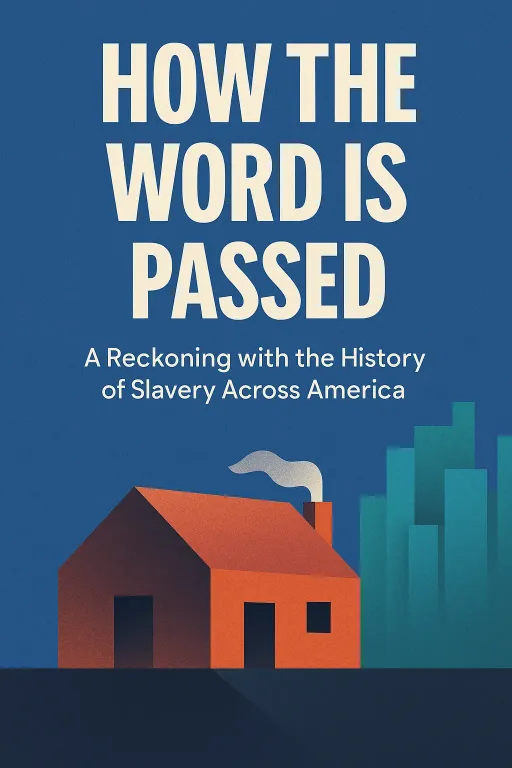
How the Word Is Passed
Clint Smith
In 'How the Word Is Passed,' Clint Smith embarks on a powerful journey across the United States and to Gorée Island, exploring how different historical sites reckon with the enduring legacy of American slavery. Through visits to plantations, prisons, cemeteries, museums, and cities, Smith uncovers the varied ways history is remembered, distorted, or confronted. He weaves together personal reflections, historical analysis, and interviews with public historians and descendants, offering a profound examination of how the past shapes the present and challenging readers to grapple with the complex, often uncomfortable, truths of American identity.
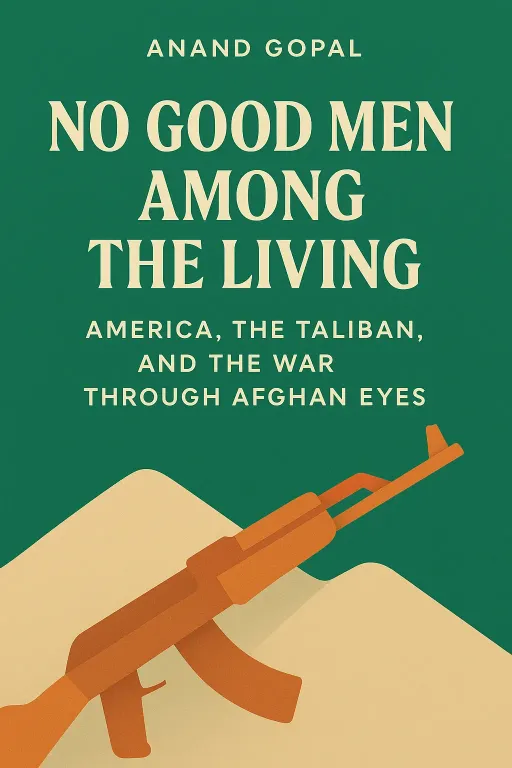
No Good Men Among the Living
Anand Gopal
Challenging the simplistic narratives of the War on Terror, this book plunges into the heart of Afghanistan to reveal the complex realities and human cost of the conflict. Through the intimate stories of an insurgent Taliban commander, a powerful US-backed government ally, and a resilient village housewife, it uncovers how American intervention and the rise of the Taliban reshaped lives and a nation, offering a profound and nuanced look at the motivations and experiences of those caught in a protracted war.
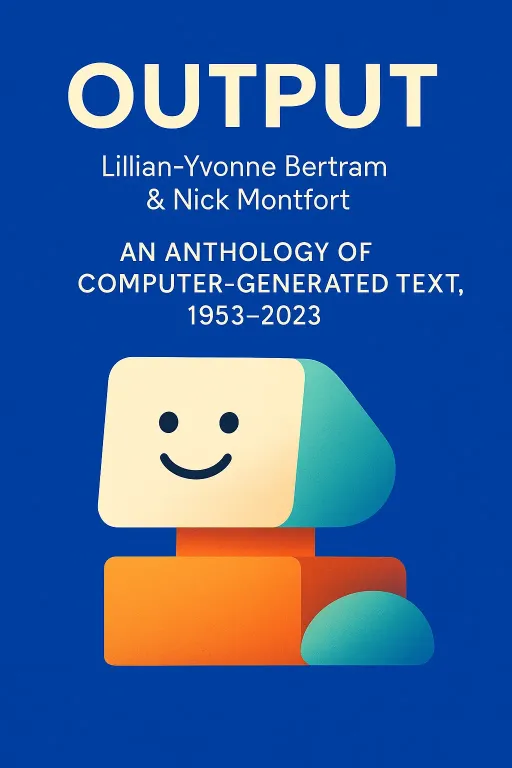
Output
Lillian-Yvonne Bertram
Dive into the fascinating history of computer-generated text, from its nascent beginnings in 1953 to the cutting-edge developments of 2023. This anthology showcases a diverse array of outputs, including early love letter generators, pioneering conversational systems like ELIZA, and the complex creations of modern large language models. Edited by Lillian-Yvonne Bertram and Nick Montfort, this collection explores the artistic, literary, and scientific evolution of text generation, challenging our perceptions of authorship, creativity, and the very nature of language in the digital age.
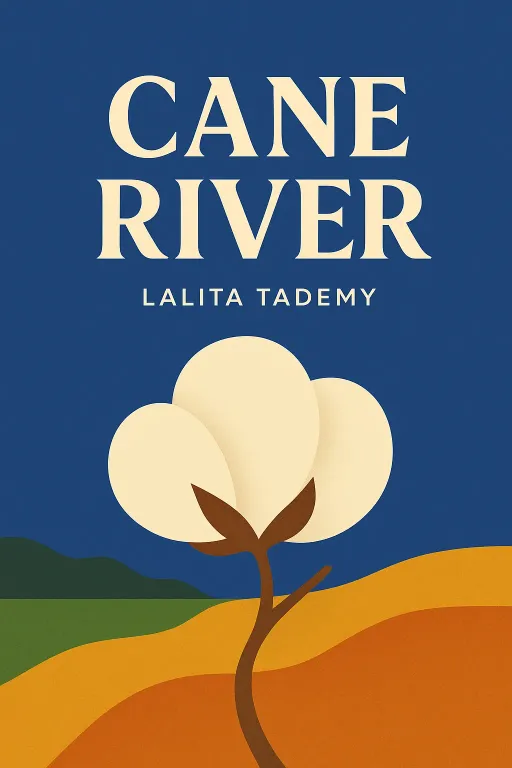
Cane River
Lalita Tademy
Spanning four generations, this powerful novel traces the lives of Elisabeth, Suzette, Philomene, and Emily, women of a single family line, from the brutal realities of slavery on a Louisiana plantation through the tumultuous years of the Civil War and Reconstruction. Based on the author's own family history, the narrative vividly portrays their struggles for dignity, freedom, and identity amidst a society defined by race and ownership. It is a story of resilience, love, and the enduring bonds of family, as these remarkable women navigate a world that constantly challenges their spirit and their very right to exist.
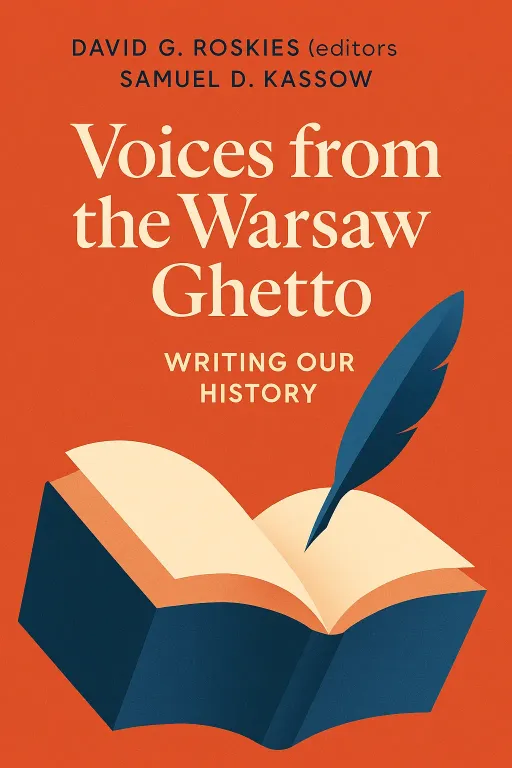
Voices from the Warsaw Ghetto
David G. Roskies
This powerful collection brings together the raw, immediate voices of those who lived and died in the Warsaw Ghetto, primarily through the invaluable Oyneg Shabes archive. Edited by David G. Roskies with a foreword by Samuel D. Kassow, the book presents diaries, poems, folklore, and testimonies from individuals like Emanuel Ringelblum, Władysław Szlengel, and Chaim A. Kaplan. It serves as a testament to their struggle to document their own history and experiences, offering an unflinching look at daily life, suffering, and resistance amidst unimaginable horror, ensuring that their stories are not forgotten.
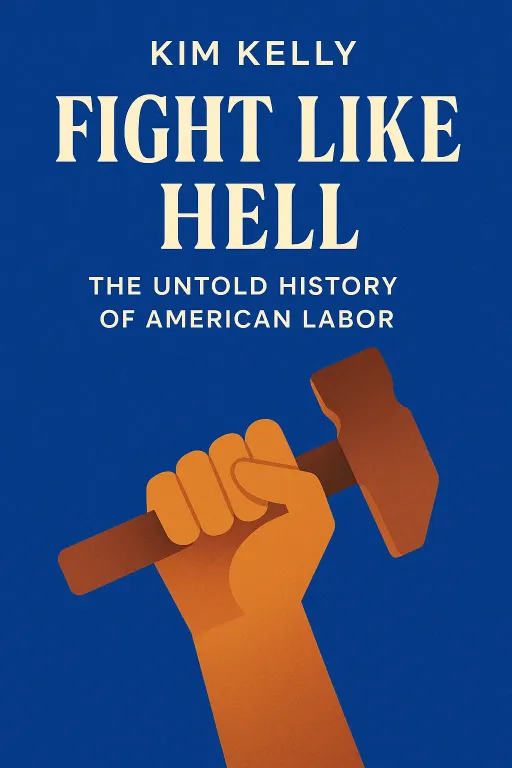
Fight Like Hell
Kim Kelly
Unearthing the forgotten struggles and triumphs of American labor, 'Fight Like Hell' rewrites history by centering the voices of marginalized workers—women, people of color, LGBTQ+ individuals, disabled people, and sex workers. From the textile mills of New England to the coal mines of Appalachia and the fields of California, Kim Kelly reveals how these unsung heroes fought for dignity, fair wages, and safe conditions, shaping the very fabric of the nation. This powerful narrative illuminates the enduring legacy of their collective action, offering a vital, inspiring blueprint for contemporary social justice movements and a testament to the unwavering spirit of those who dared to demand a better world.