


Morningside Heights
Cheryl Mendelson
Set in the vibrant, yet rapidly gentrifying, Morningside Heights neighborhood of New York City in 1999, this novel introduces the Braithwaite family. Anne and Charles, musicians with several children, find their comfortable, intellectual life challenged by an unexpected pregnancy, financial strains, and the encroaching wave of Wall Street wealth. As their community grapples with changing social values and the erosion of a cultured city life, the Braithwaites navigate personal crises, complex friendships, and the enduring question of what truly constitutes a meaningful existence. A captivating social chronicle that delves into the heart of urban change and human connection.
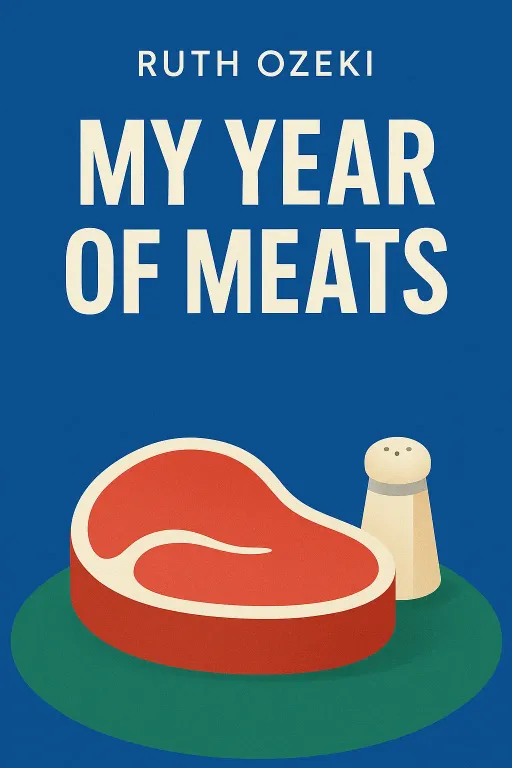
My Year of Meats
Ruth Ozeki
Ruth Ozeki's 'My Year of Meats' is a sharp, satirical novel that interweaves the lives of Jane Takagi-Little, a Japanese-American documentary filmmaker, and Akiko Ueno, a bulimic Japanese housewife. Jane is tasked with finding 'wholesome' American wives to promote U.S. meat on a Japanese television show, a journey that exposes her to the surprising realities of American culture, from rodeo queens to lesbian vegetarians, and the dark underbelly of the industrial food complex. Across the Pacific, Akiko, desperate to conceive and please her meat-obsessed husband, meticulously follows the show's recipes, unknowingly mirroring Jane's discoveries about identity, consumption, and the elusive nature of authenticity. Ozeki masterfully blends humor with poignant social commentary, exploring themes of cultural identity, gender roles, corporate influence, and the profound impact of what we consume—both literally and figuratively—on our lives.
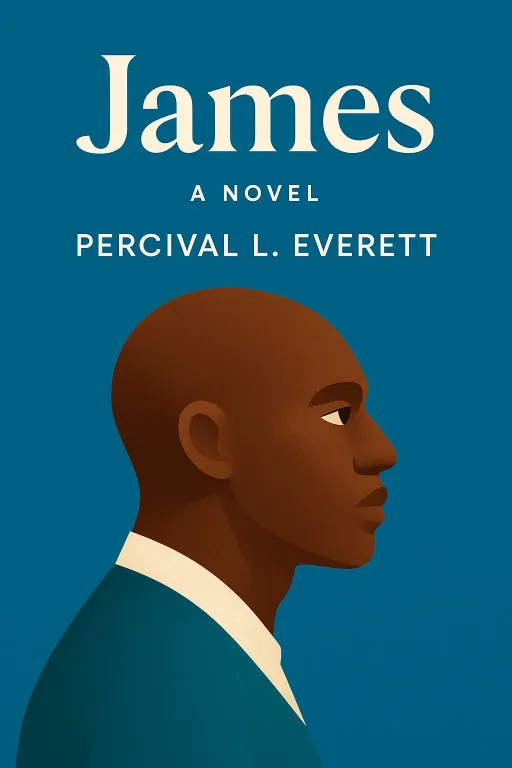
James
Percival L. Everett
Percival Everett's James boldly reinterprets Mark Twain's *The Adventures of Huckleberry Finn* through the eyes of Jim, the enslaved man. Far from the simple, superstitious character of the original, Everett's Jim is a brilliant, strategic, and deeply philosophical individual navigating the treacherous landscape of pre-Civil War America. As Jim escapes down the Mississippi with Huck, he reveals a hidden world of intellect, resilience, and profound observation, forcing readers to confront the true cost of freedom and the complexities of identity in a society built on oppression. This powerful novel offers a searing critique of American history and a testament to the enduring human spirit.

The Covenant of Water
Abraham Verghese
A sweeping, multi-generational saga set in early 20th-century Travancore, South India, and later in Glasgow and Madras. The story begins with a twelve-year-old girl married into a family haunted by a mysterious 'Condition' involving water. It intricately weaves together the lives of diverse characters, including a Scottish surgeon, exploring themes of love, loss, faith, medicine, and the profound impact of history and culture on individual destinies.

Interpreter of Maladies
Jhumpa Lahiri
During a family trip to India, an Indian-American family hires a local tour guide, Mr. Kapasi, who also works as an interpreter for a doctor. As they journey to the Sun Temple, Mrs. Das, feeling disconnected from her life and family, confides a deeply personal secret to Mr. Kapasi, mistaking his role as an interpreter of maladies for a deeper, more empathetic understanding. This poignant encounter explores themes of cultural identity, marital disillusionment, and the complexities of human connection.

Code Work
Héctor Beltrán
This book delves into the intricate world of "code work" among young Mexican and Latinx hackers navigating the US-Mexico techno-borderlands. Through compelling ethnographic research, Héctor Beltrán uncovers how these individuals engage with narratives of technological progress, neoliberal entrepreneurship, and social justice. Introducing the innovative concept of the "ethno-stack," the book reveals how personal, social, political, and technical elements intertwine as hackers utilize coding to challenge and redefine boundaries of nation, race, ethnicity, class, and gender, offering a vital perspective on digital culture from the Global South.

Cutting for Stone
Abraham Verghese
Born in 1954 in a mission hospital in Addis Ababa, Ethiopia, twin brothers Shiva and Marion Stone arrive into the world under mysterious and tragic circumstances. Their mother, a young Indian nun named Sister Mary Joseph Praise, dies during their birth, and their brilliant but emotionally distant surgeon father, Thomas Stone, abandons them. This excerpt introduces their unusual origins, delving into their mother's journey from India to Africa and the dramatic events leading to her fateful encounter with their father. It sets the stage for a sweeping saga of family, medicine, and identity against the vibrant and tumultuous backdrop of mid-20th century Ethiopia.

Exit West
Mohsin Hamid
In a city teetering on the brink of civil war, Saeed and Nadia find solace in each other's company. As their world descends into chaos, rumors spread of mysterious doors that can transport people to other places. They decide to take a leap of faith, stepping through one of these portals, embarking on a perilous journey as refugees across a world grappling with mass migration. Their love story unfolds against a backdrop of displacement, nativism, and the search for belonging, forcing them to confront who they are and what home truly means.