

Economics & Money
The Myth of the Strong Leader
Archie Brown
An insightful exploration into the misconception that 'strong' leaders, defined by their dominance and centralized decision-making, are the most effective. Archie Brown challenges this notion, arguing that true leadership lies in qualities like integrity, intelligence, and collegiality, and that concentrating power in one individual can lead to errors and even disaster. Examining leaders from various political systems and historical periods, this book offers a fresh perspective on what constitutes desirable leadership in democracies and beyond.
The New Silk Roads
Peter Frankopan
A timely exploration of the growing importance of the Silk Roads region in the 21st century. Peter Frankopan examines the political, economic, and social shifts occurring across Asia and their impact on the rest of the world. He highlights the increasing influence of countries like China, Russia, and Iran, and analyzes the challenges and opportunities presented by this new world order.
The Nine
Jeffrey Toobin
Jeffrey Toobin takes you into the chambers of the Supreme Court, revealing the complex dynamic among the nine people who decide the law of the land. This book tells the story of the Court through personalities and reveals an institution at a moment of transition.
The Only Game in Town
Mohamed A. El-Erian
An insightful analysis of the role of central banks in the global economy, exploring their increasing influence and the potential risks associated with their unconventional policies. The book examines the challenges facing the global economy and offers actionable frameworks for navigating an uncertain future.
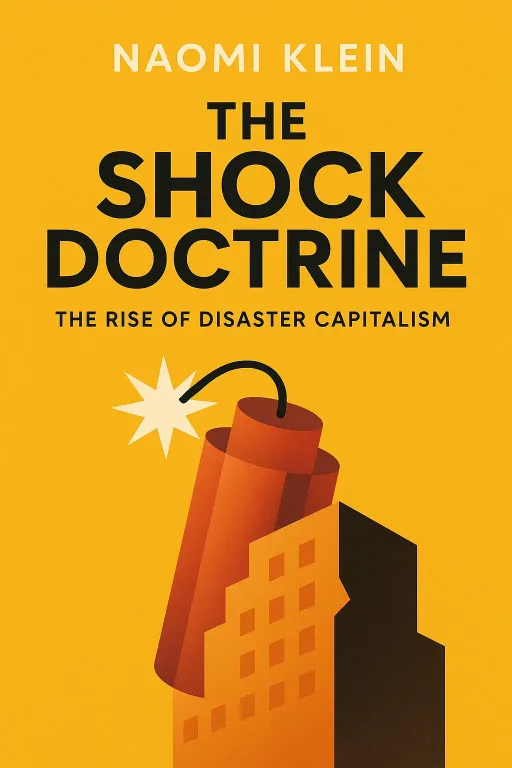
The Shock Doctrine
Naomi Klein
In The Shock Doctrine, Naomi Klein argues that powerful forces exploit moments of collective trauma—wars, terrorist attacks, and natural disasters—to implement radical free-market policies. Exposing the dark side of globalization, Klein reveals how disaster capitalism reshapes societies in the wake of crises, often with devastating consequences.
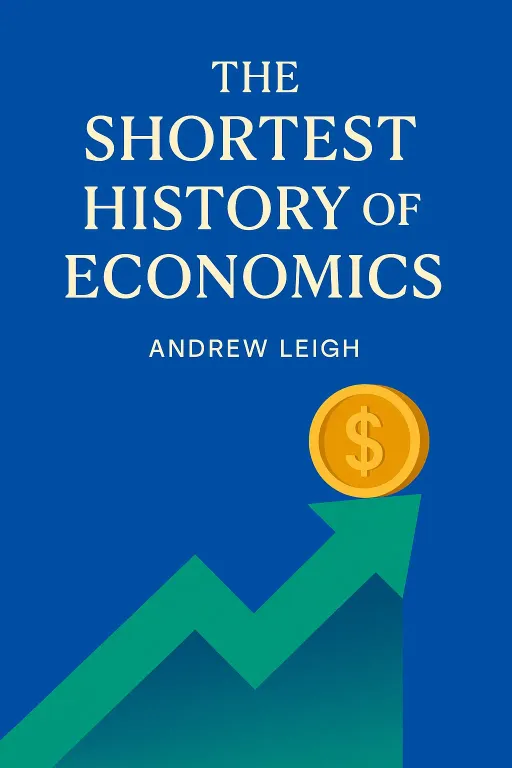
The Shortest History of Economics
Andrew Leigh
A concise journey through the history of economics, exploring how economic forces have shaped world history, from prehistoric times to the modern era. Discover the key ideas and figures that have shaped our understanding of markets, trade, and prosperity, and how economic principles can illuminate the past, present, and future.
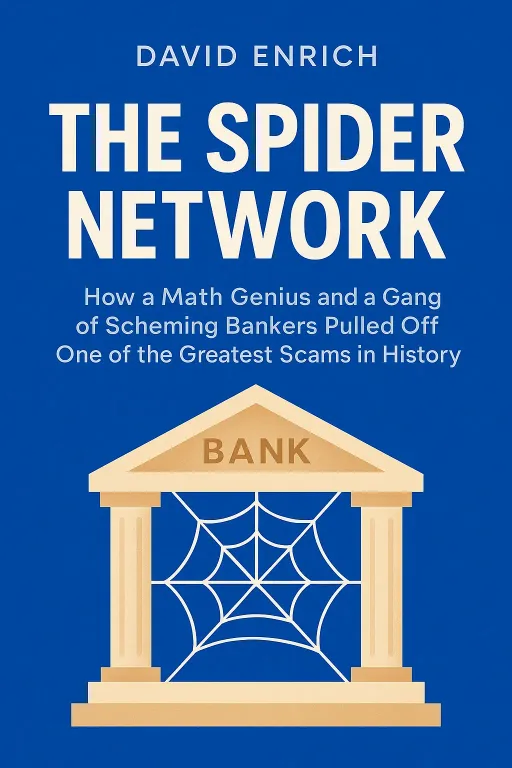
The Spider Network
David Enrich
A gripping account of the Libor scandal, revealing how a network of bankers manipulated global interest rates, threatening the stability of the financial system. Follow the rise and fall of Tom Hayes, the math genius at the center of the scheme, and delve into the corrupt culture that enabled this audacious fraud.
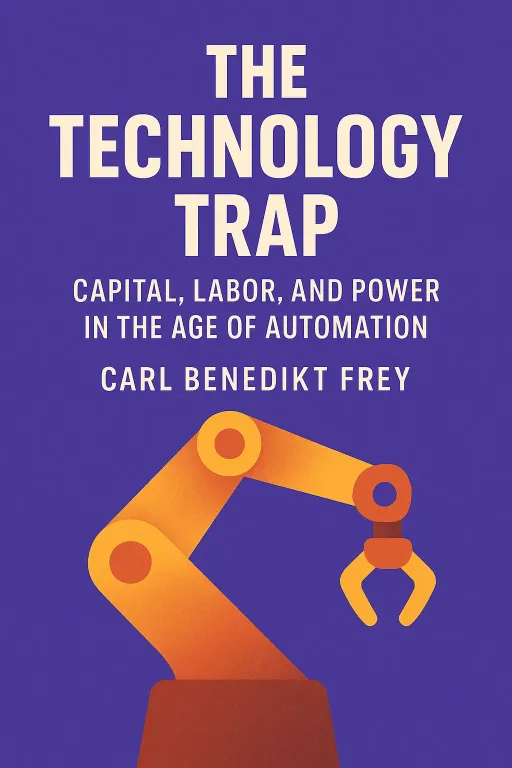
The Technology Trap
Carl Benedikt Frey
A thought-provoking exploration of how technological advancements have historically impacted labor and society, and what lessons we can learn from the past as we navigate the age of automation. It delves into the complex relationship between capital, labor, and power, offering insights into the potential pitfalls and opportunities that lie ahead.