

Economics & Money
The Big Myth
Naomi Oreskes
Uncover the untold story of how American business meticulously crafted and propagated the 'myth of the free market,' systematically teaching generations to distrust government and embrace market fundamentalism. This meticulously researched book exposes the historical roots and devastating consequences of this ideology, from its impact on labor laws and environmental protection to its role in contemporary crises like climate change and inequality. It challenges readers to rethink the relationship between markets, government, and society, revealing how a powerful narrative shaped America's economic and political landscape.
This time is different
Carmen M. Reinhart
Challenging the pervasive belief that 'this time is different,' this seminal work by Carmen M. Reinhart and Kenneth S. Rogoff offers a sweeping, data-driven historical analysis of financial crises spanning eight centuries. Through meticulous examination of sovereign debt defaults, banking crises, inflation, and currency crashes across numerous countries, the authors reveal enduring patterns of financial folly and the profound costs of economic downturns. It's an essential read for understanding the origins and consequences of global financial instability.
Applied Economics
Thomas Sowell
A revised and expanded edition that enables anyone, with no prior knowledge of economics, to understand some of the key economic issues of our time— medical care, housing, discrimination, and immigration, for example. It stresses long-run repercussions to decisions and policies.
Power and Prediction
Ajay Agrawal
Explore the transformative power of AI and its disruptive impact on the economy. This book delves into how AI is reshaping industries, enhancing decision-making, and creating new systems that will redefine the future of work and business.
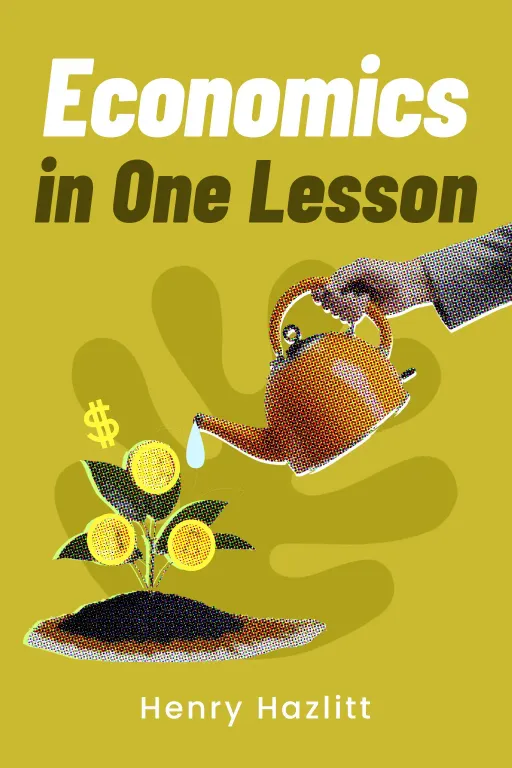
Economics in One Lesson
Henry Hazlitt
An enduring classic, this book dissects economic fallacies that have become prevalent, influencing government policies worldwide. It emphasizes the importance of considering the long-term effects of economic actions on all groups, not just the immediate consequences on a select few. A must-read for understanding basic economic principles and avoiding common pitfalls.
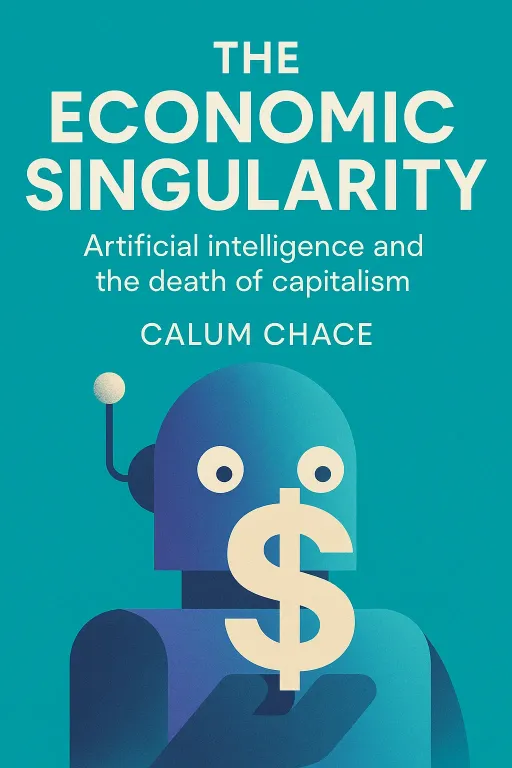
The Economic Singularity
Calum Chace
An exploration of how artificial intelligence and automation may lead to an economic singularity, potentially disrupting capitalism and requiring new economic models. The book examines the challenges and opportunities presented by technological unemployment and the need for innovative solutions like universal basic income to navigate this transition.
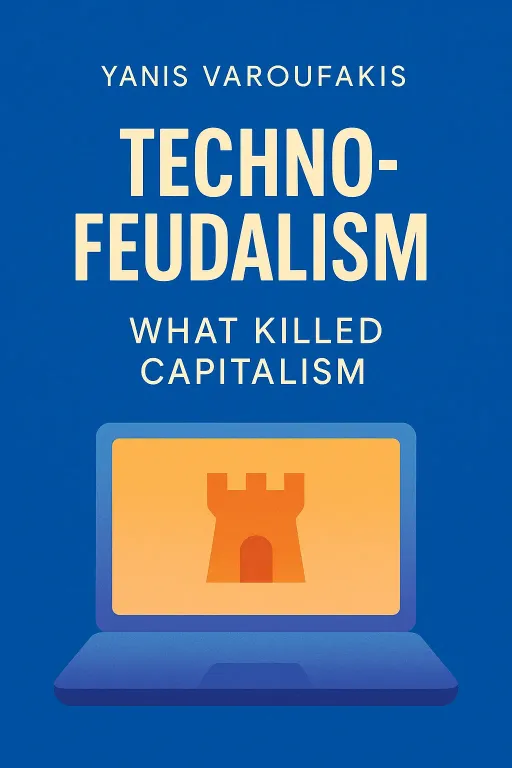
Technofeudalism
Yanis Varoufakis
A provocative exploration of how capitalism has been superseded by technofeudalism, where digital platforms function as fiefdoms and rent replaces profit, fundamentally altering our economies and societies. Discover how this shift impacts everything from global power dynamics to individual autonomy.
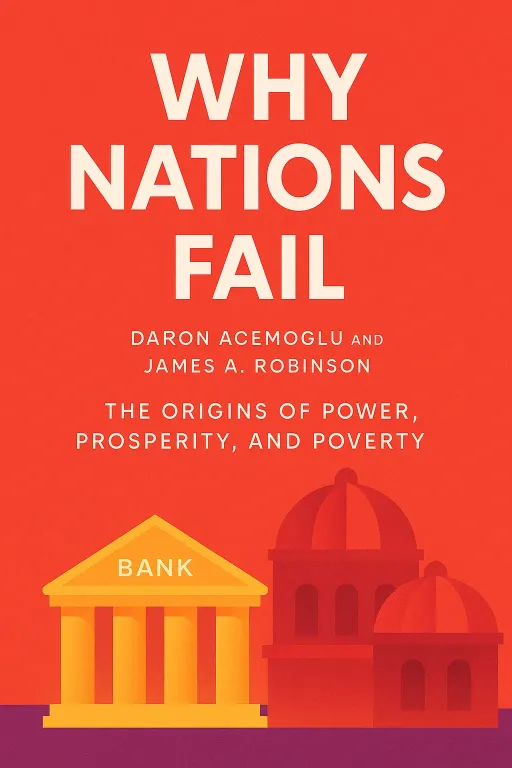
Why Nations Fail
Daron Acemoglu
Why Nations Fail by Daron Acemoglu and James A. Robinson is a sweeping explanation of why some countries achieve lasting prosperity while others remain trapped in poverty. Rejecting geography, culture, or ignorance as primary causes, the authors argue that the decisive factor is institutions—specifically whether political and economic systems are inclusive or extractive. Inclusive institutions protect property rights, enforce the rule of law, and create incentives for innovation and participation across society. Extractive institutions, by contrast, concentrate power and wealth in the hands of a few, stifling competition and blocking broad-based growth. Through vivid historical case studies—from North and South Korea to colonial Latin America, medieval Venice, and modern Africa—the book shows how small institutional differences can compound over centuries into vast gaps in wealth and stability. What makes Why Nations Fail influential is not just its ambition, but its clarity: prosperity is not accidental, nor is poverty inevitable. Economic success depends on political choices, power struggles, and the institutions they produce. For readers seeking a framework to understand global inequality, state failure, and long-run development, this book offers one of the most durable and widely debated explanations of our modern world.