


Frankenstein
Mary Shelley
"Frankenstein" is a seminal work of Gothic and science fiction that delves into the themes of creation, ambition, isolation, and the nature of humanity. Through the interwoven narratives of Captain Robert Walton and Victor Frankenstein, the novel explores the consequences of unchecked scientific pursuit and the profound impact of rejection and loneliness on both creator and creation. This edition offers readers a comprehensive experience, beginning with insightful excerpts and an extensive introduction analyzing the novel's enduring legacy and its various interpretations. Readers will gain a deeper understanding of Mary Shelley's life, the historical and scientific context that shaped her masterpiece, and the philosophical underpinnings of the story. The book includes Mary Shelley's account of the novel's origin, detailing the circumstances of its conception during a rainy summer in Switzerland. Framed by Robert Walton's letters recounting his Arctic voyage and encounter with Victor Frankenstein, the story unfolds with Victor's narration of his idyllic childhood, his family, and the beginnings of his fateful scientific endeavors. Readers are invited to explore the depths of Frankenstein's ambition and the tragic consequences that ensue from his creation.
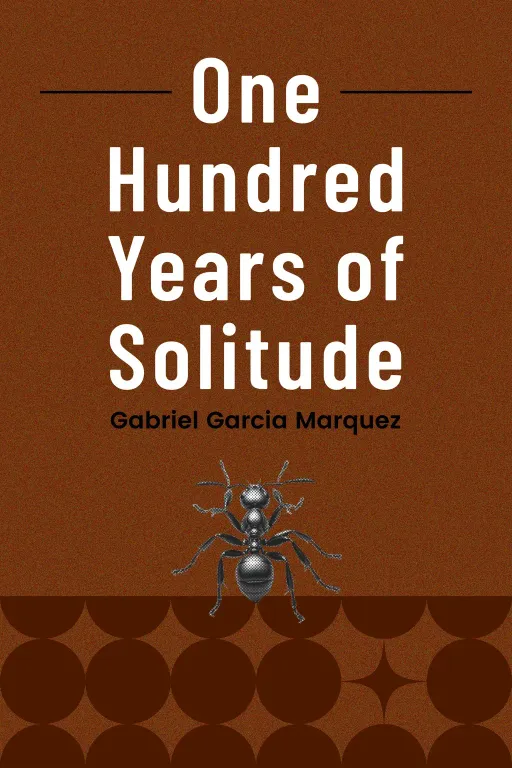
One Hundred Years of Solitude
Gabriel Garcia Marquez
"One Hundred Years of Solitude" is the magnum opus of Colombian Nobel laureate Gabriel García Márquez and stands as the absolute pinnacle of Magical Realism. It is a dazzling, dense, and hypnotic novel that tells the multi-generational saga of the Buendía family and the fictional town they founded, Macondo. The story begins with the patriarch, José Arcadio Buendía, who establishes Macondo in the depths of the jungle as a utopian city of mirrors. However, the town does not remain isolated for long. It becomes a microcosm for the history of Colombia and Latin America, enduring civil wars, foreign imperialism, labor strikes, and the arrival of modern technology. What makes the book unique is how the supernatural is woven seamlessly into the fabric of everyday life. In Macondo, magic is mundane and reality is absurd. A plague of insomnia causes the townspeople to forget the names of objects, forcing them to label everything. A torrential rainstorm lasts for nearly five years. A young woman ascends bodily into heaven while folding laundry, and a mechanic is perpetually surrounded by a swarm of yellow butterflies. At its core, the novel is a meditation on the cyclical nature of time and the inescapability of fate. The Buendía family is trapped in a loop of history, a fact emphasized by the repetition of family names across seven generations. The Aurelios are withdrawn and intellectual, while the Arcadios are impulsive and physically strong, yet all share a common curse: they are unable to truly love. They are condemned to a profound, crushing solitude. The narrative spirals toward a predetermined and apocalyptic conclusion. The history of the family turns out to have been written down in Sanskrit manuscripts by a gypsy named Melquíades long before the events occurred. The novel ends with the last surviving Buendía deciphering these parchments at the very moment that Macondo is wiped from the face of the earth by a biblical hurricane, fulfilling the prophecy that races condemned to one hundred years of solitude did not have a second opportunity on earth.