


Gödel, Escher, Bach
Douglas R. Hofstadter
"Gödel, Escher, Bach"—often called GEB—is a cult classic in the worlds of computer science and artificial intelligence. Written by Douglas Hofstadter, this 1980 Pulitzer Prize winner is not a dry academic text but a playful and mind-bending intellectual journey. Hofstadter weaves together the work of three distinct masters: the logician Kurt Gödel, the artist M.C. Escher, and the composer J.S. Bach. The central theme of the book is the concept of a "Strange Loop." This occurs when a system moves through various levels only to find itself right back where it started. Hofstadter illustrates this using Escher’s staircases that ascend forever and Bach’s musical canons that loop seamlessly back to their beginning. Hofstadter uses these puzzles to explore a profound mystery: how can lifeless matter create a conscious mind? He argues that your sense of "self" is essentially a complex strange loop arising from the firing of neurons in your brain. Filled with wordplay, puzzles, and witty dialogues between Achilles and the Tortoise, reading this book is a rigorous mental workout that will permanently change how you perceive thinking, meaning, and being human.

Atomic Habits
James Clear
"Atomic Habits" is the definitive manual on behavioral change, written by James Clear. It shifts the focus from setting massive, intimidating goals to refining the tiny, daily routines that compound into massive results over time. Clear argues that if you can get just 1% better each day, you will end up thirty-seven times better by the end of the year—a concept he calls the "compound interest of self-improvement." The book challenges the common misconception that success is a matter of willpower. Instead, Clear posits a fundamental truth: "You do not rise to the level of your goals, you fall to the level of your systems." He introduces the concept of Identity-Based Habits, arguing that lasting change happens not when you focus on what you want to achieve (outcome), but on who you wish to become (identity). To put this into practice, Clear offers the Four Laws of Behavior Change: a simple set of rules to Make it Obvious, Make it Attractive, Make it Easy, and Make it Satisfying. Whether you want to exercise more or stop procrastinating, Atomic Habits provides a scientifically backed, step-by-step framework for reshaping your life by mastering the "atoms" of your daily behavior.
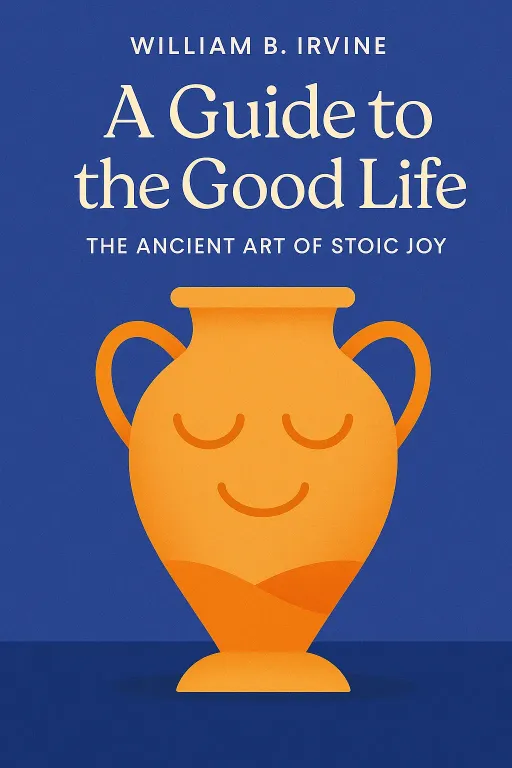
A Guide to the Good Life
William B. Irvine
Explore the wisdom of ancient Stoicism and discover practical techniques for achieving tranquility and a meaningful life. Learn how to overcome negative emotions, find joy in simplicity, and live in accordance with virtue. This book offers a timeless guide to living a good life, inspired by the teachings of Stoic philosophers.
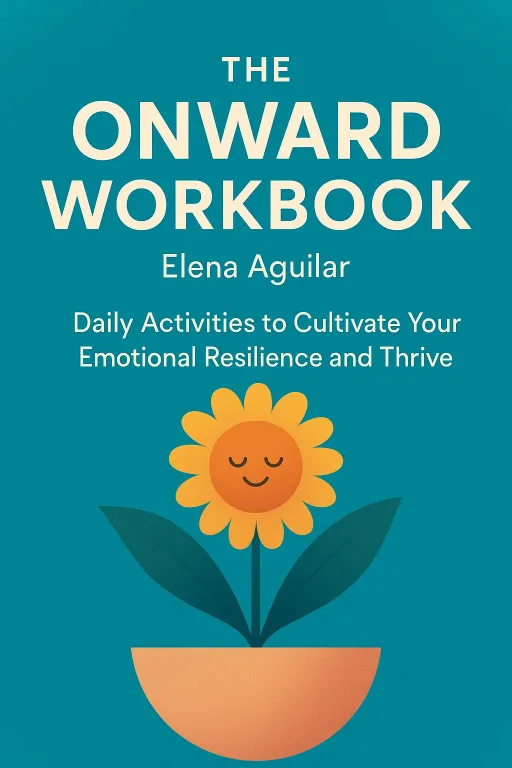
The Onward Workbook
Elena Aguilar
A practical workbook designed to cultivate emotional resilience through daily activities. It offers exercises and reflections to help you understand yourself, manage emotions, build community, and focus on the bright spots, guiding you on a journey to thrive in the face of challenges.
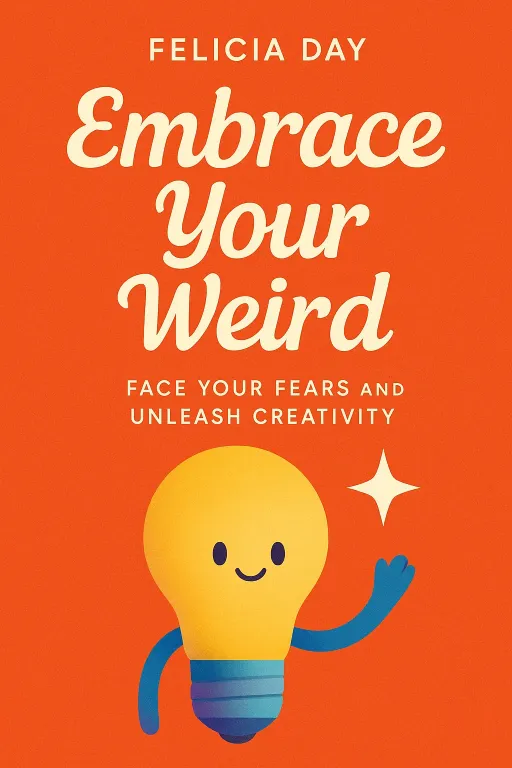
Embrace Your Weird
Felicia Day
A guide to help readers overcome their fears and unlock their creative potential. It encourages embracing individuality and using creativity as a tool for self-discovery and personal growth, filled with exercises designed to uncover the joy of creativity.
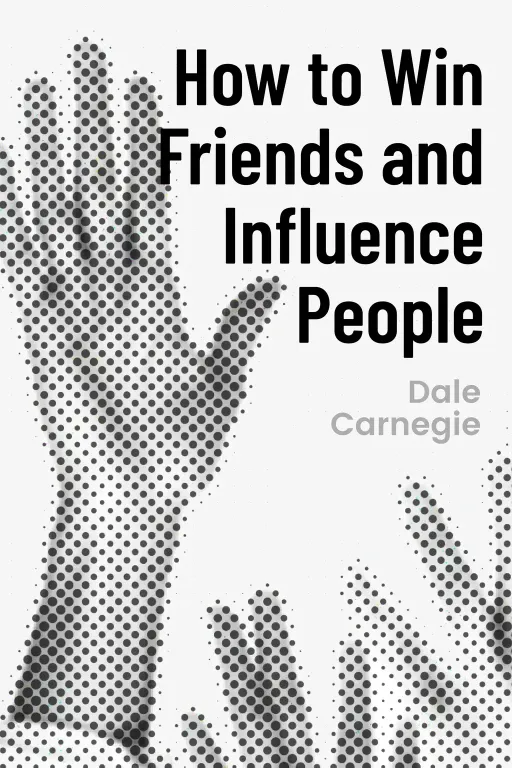
How to Win Friends and Influence People
Dale Carnegie
A timeless guide to mastering the art of human relations, offering practical techniques and principles for making friends, influencing others, and achieving success in both personal and professional life. Discover the secrets to becoming a more likable, persuasive, and effective communicator.
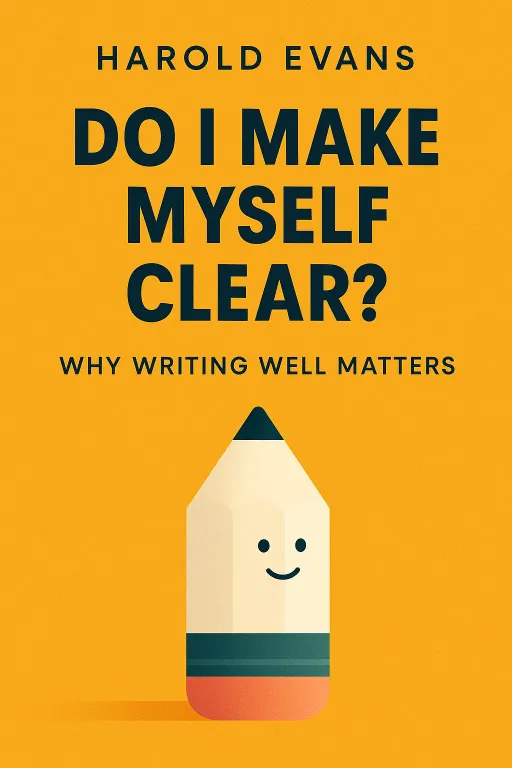
Do I Make Myself Clear?
Harold Evans
A guide to clear and effective writing, emphasizing the importance of clarity in various forms of communication. It delves into the art of crafting concise sentences, avoiding ambiguity, and making your meaning clear beyond a doubt.
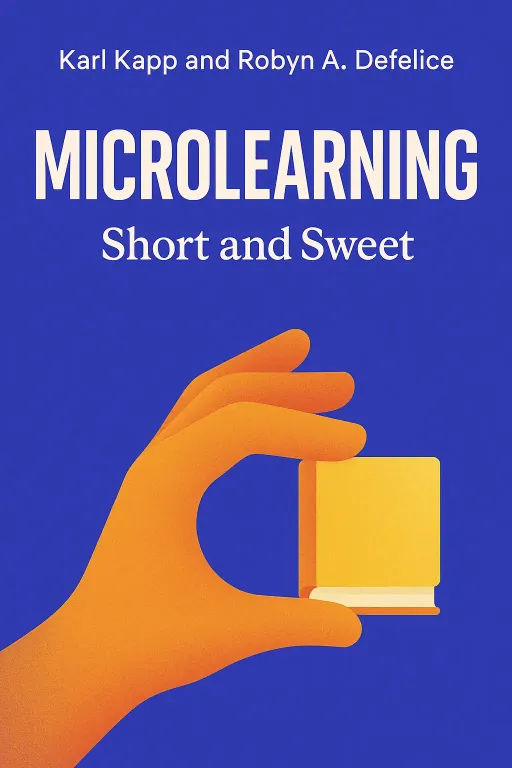
Microlearning
Karl Kapp
Demystifying microlearning, this book offers learning theories and research that support it, and presents an actionable road map for planning, implementing, designing, and evaluating it. It provides a comprehensive background necessary to make informed training design decisions about microlearning.